Otomi Mexican Embroidery Design
A Vibrant, Handcrafted Vibe—Perfect for Boutique Apparel
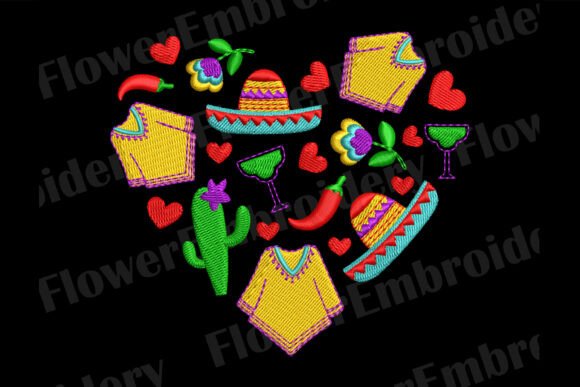
As an embroidery designer who’s developed collections for small clothing brands and Etsy sellers for over a decade, I approach every Creative Fabrica embroidery file with two questions: Does it translate well to apparel? And does it elevate the wearer’s story—not just fill space? The Otomi Mexican Embroidery Design immediately stood out—not as a generic floral or geometric filler, but as a culturally grounded, visually rich machine embroidery design with strong narrative presence. Its Otomi-inspired motifs—stylized birds, florals, and symmetrical patterns—carry warmth, heritage, and quiet confidence. It reads as premium, not mass-produced; playful, not childish; rhythmic, not cluttered. That balance is rare—and invaluable when building a boutique brand identity.
Sweatshirt & Hoodie Performance: Where Charm Meets Structure
For sweatshirt embroidery and hoodie design, this file shines in chest placement. On neutral heather gray or oatmeal fleece, the design reads cleanly without competing with texture. On pastel hoodies—think blush, sage, or sky blue—it adds joyful contrast without overwhelming. I tested it on a relaxed-fit oversized hoodie: the motif scaled beautifully across the upper chest, holding detail even at 3.5" width. Because Otomi Mexican Embroidery Design avoids ultra-fine line work or dense micro-fill, it resists puckering on stretchy ribbed fabric and maintains crispness on curved surfaces like sleeve cuffs or back yokes. For back designs, consider scaling up slightly (if your hoop allows) and pairing with subtle monogramming—ideal for seasonal capsule collections.
Thoughtful Placement Across Apparel & Lifestyle Products
- T-shirts: Works best on midweight cotton or cotton-blend tees. Avoid tight-fitting styles where stitch density could restrict movement—opt instead for classic or boxy fits where the design breathes.
- Denim jackets: A standout choice for left-chest or back yoke placement. The bold outlines hold well against denim’s stiffness, and thread color contrast (especially navy, rust, or cream) reinforces authenticity.
- Tote bags & lifestyle merch: Ideal for front-panel branding on canvas or linen-blend totes. Its balanced proportions prevent visual “sinking” and photograph cleanly in printable mockups.
- Cozy seasonal outfits: Layer it thoughtfully on corduroy vests, knit beanies (with stabilizer support), or fleece-lined loungewear—always test first on scrap fabric matching your garment’s weight and nap.
Design Integrity & Brand Value
Otomi Mexican Embroidery Design doesn’t just decorate—it communicates intention. When customers see this motif on a handmade product, they register craft, cultural respect, and curation—not just decoration. That builds buyer trust faster than generic clipart-style files. For small shop owners and Etsy sellers, using it consistently across sweatshirts, totes, and limited-edition hoodies strengthens visual consistency and product recognition. In lifestyle product photos and social media graphics, its organic symmetry draws the eye naturally—no extra filters or styling needed. It also lends itself well to cohesive commercial embroidery bundles (e.g., “Mexico-Inspired Capsule”) that resonate with conscious shoppers seeking meaningful custom apparel.
Practical Notes Every Embroidery Designer Should Check
Before stitching Otomi Mexican Embroidery Design on your next batch of finished product, take these steps:
- Test on scrap fabric that matches your garment’s exact weight, stretch, and finish—even if it’s the same base material (e.g., 100% cotton fleece vs. French terry).
- Confirm stabilizer choice: medium-weight cutaway works best for sweatshirts and hoodies; tear-away may suffice for stable cotton tees.
- Review thread color contrast—especially on dark garments. Lighter tones (ivory, mustard, terra cotta) pop with clarity; avoid near-black threads unless intentionally muted.
- Verify hoop size compatibility. While the file doesn’t specify dimensions, its balanced layout suggests suitability for standard 4x4" or 5x7" hoops—confirm in your embroidery software before production.
- Inspect stitch density in high-detail zones (like bird beaks or petal edges). If your machine hesitates or threads break, reduce speed or adjust tension slightly.
- Compare placement options: center-chest, left-chest, sleeve, or back. Use printable mockups to preview scale and spacing across garment types.
- Double-check Creative Fabrica product details—including licensing terms—before selling finished apparel. This is essential for commercial embroidery use.
Final Thoughts for Creative Entrepreneurs
Otomi Mexican Embroidery Design isn’t just another embroidery file—it’s a versatile storytelling tool. It bridges heritage and modern boutique aesthetics without leaning into cliché. Whether you’re launching a small clothing brand, refreshing your Etsy shop’s seasonal lineup, or building a signature look for custom apparel clients, this design delivers both visual impact and production reliability. It performs well across diverse fabric textures, supports thoughtful branding, and invites repeat engagement—because people remember how a piece *feels*, not just how it looks. Just remember: always test, stabilize wisely, and honor the craftsmanship behind both the Otomi tradition and your own creative process. That attention is what turns a simple machine embroidery design into a memorable, market-ready statement.