Merry Bright, Christmas Embroidery
First Impressions: Joyful, Clean, and Ready for Real Fabric
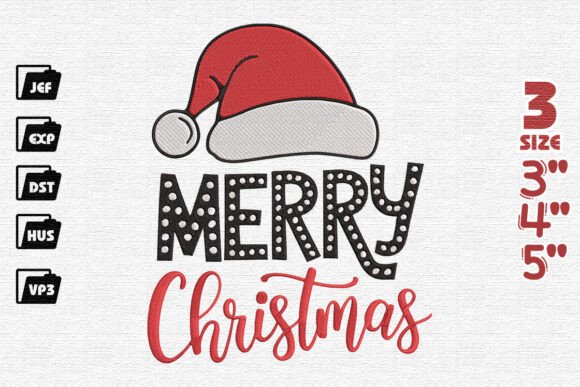
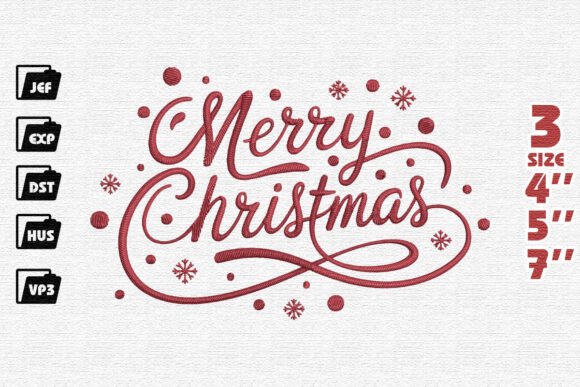
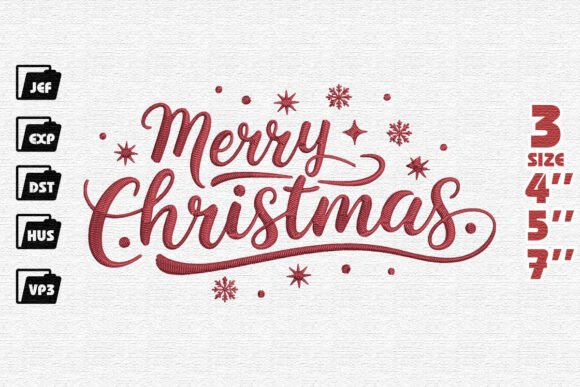
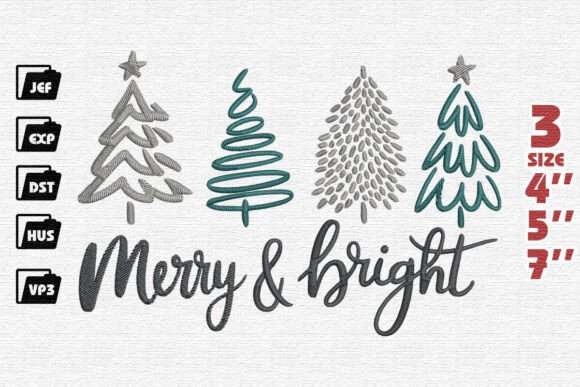
When I opened Merry Bright, Christmas Embroidery, I wasn’t met with cluttered ornamentation or overwrought script. Instead, it’s a balanced, cheerful composition—think bold lettering with subtle holiday motifs (a tiny holly sprig? a soft star?) integrated just enough to whisper “Christmas,” not shout it. The layout feels intentional: wide enough to read clearly on a sweatshirt chest but compact enough to sit neatly on a baby onesie sleeve. It lands somewhere between modern craft and timeless charm—no pixelated edges, no awkward spacing between letters, and no visual competition between elements. That matters more than you’d think when your finished product is going into someone’s hands as a personalized gift or boutique item.
A Real-World Test: Stitching It onto a Linen Tea Towel
Last week, I used Merry Bright, Christmas Embroidery on a natural linen tea towel for a local holiday market pop-up. Why linen? Because it’s unforgiving—loose weave, minimal stretch, and zero tolerance for poor stitch density or unstable underlay. I paired it with medium-weight cutaway stabilizer and 40-weight polyester thread in deep forest green and warm cream. The result? Crisp satin stitch on the lettering, smooth fill stitch in the accents, and zero puckering—even at the corners where the design curves slightly inward. Customers paused, smiled, and said, “That looks handmade—but *professional*.” That’s the sweet spot: a machine embroidery design that reads as thoughtful, not automated.
Where It Shines—and Where to Pause
Merry Bright, Christmas Embroidery excels on stable, medium-weight fabrics: cotton sweatshirts, twill tote bags, canvas aprons, and brushed poly pajama sets. It holds up beautifully on curved surfaces like structured caps—provided you use a cap frame and reduce top tension slightly. As a tote bag design or sweatshirt embroidery, it adds instant seasonal warmth without overwhelming the garment.
But here’s where attention matters: on thin or stretchy fabric (like jersey t-shirts), test first with tear-away + light cutaway stabilizer—some letterforms have subtle interior detail that can blur if the ground shifts mid-stitch. On dark fabric, confirm your thread colors deliver enough contrast; a pale gold satin stitch may vanish on navy unless you boost brightness in your mockup. And avoid using it full-size on baby embroidery under 6 months—tiny embroidered details (even well-digitized ones) should always be minimized for safety and clarity on delicate items.
What It Does for Your Craft Business
This isn’t just another holiday embroidery file—it’s a quiet trust-builder. When your Etsy seller client orders a custom embroidered pillow cover with Merry Bright, Christmas Embroidery, they’re not just buying stitching—they’re buying consistency, readability, and mood. The design supports brand cohesion whether you’re labeling small shop products, prepping craft fair inventory, or building printable mockups for digital listings. Its clean silhouette translates well across colorways, so one design asset serves multiple product lines: kitchen towels, nursery decor, even holiday wedding favors (think monogrammed napkins with “Merry Bright” stitched subtly in one corner).
Design Notes Every Embroiderer Should Check Before Stitching
- Test on scrap fabric first—especially if pairing with textured weaves or layered garments like fleece-lined hoodies.
- Review stitch density in your editing software. Overly dense fills can stiffen lightweight fabrics; overly sparse ones lose impact on dark backgrounds.
- Confirm hoop size compatibility. If you’re working with a 4x4 hoop, verify the design fits comfortably—or plan for re-hooping on larger pieces like blankets or oversized sweatshirts.
- Inspect small details at 200% zoom: Are interior cutouts (like negative space in letters) digitized cleanly? Do sharp corners hold shape without thread nesting?
- Try black-and-white mockups before finalizing thread colors—this reveals contrast issues invisible on screen.
- Use proper stabilizer for your base fabric—not just “what’s on hand.” Linen needs more support than quilting cotton; knits need more give than denim.
- Check licensing terms before selling finished items or reselling the digital embroidery file. Commercial use isn’t automatic—even for holiday embroidery.
Final Thought: It’s Not Just Festive—It’s Functional
Merry Bright, Christmas Embroidery works because it respects both the craft and the customer. It doesn’t ask you to compensate for weak digitizing. It doesn’t force you into last-minute tweaks to salvage legibility. And it doesn’t dilute your handmade product’s authenticity—it enhances it. Whether you're an Etsy seller batching holiday gifts, a small shop owner refreshing seasonal merchandise, or a designer sourcing reliable embroidery project assets, this design delivers clarity, charm, and quiet confidence. It spreads holiday cheer, yes—but more importantly, it spreads trust in your work.