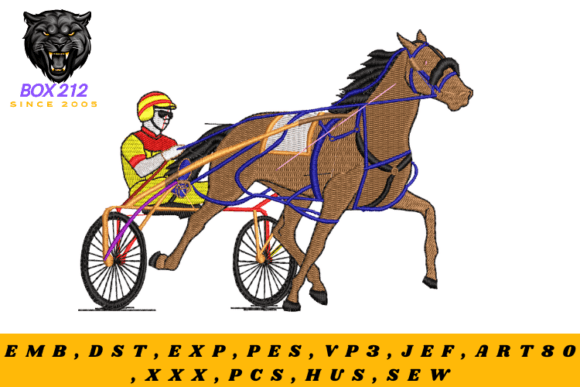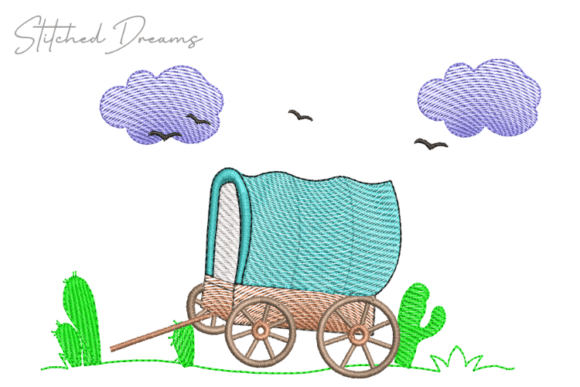
Horse Carriage Digital Embroidery Design
First Impression: Timeless Elegance That Stops Shoppers in Their Tracks
As an embroidery designer who’s prepped over 200 craft fair booths—and watched real customers pause, point, and reach for items mid-aisle—I can tell you this: Horse Carriage Digital Embroidery Design lands with quiet authority. It’s not loud or trendy. It’s elegant, regal, and deeply decorative—evoking vintage postcards, English country estates, and heirloom-quality handmade goods. That “timeless elegance” in the description isn’t marketing fluff; it’s the design’s core selling mood. At a bustling handmade market, where bold fonts and cartoon motifs dominate, this design stands apart by leaning into sophistication—not cuteness, not rustic charm, not modern minimalism—but refined storytelling in thread.
Where It Shines: Craft Fair Products That Elevate the Design
This isn’t a one-size-fits-all machine embroidery design. Its strength lies in intentional placement and thoughtful product pairing:
- Tote bag design: Centered on a natural linen or oatmeal canvas tote, it reads as premium—not busy, not juvenile. Perfect for boutique shoppers who value heritage aesthetics.
- Apron embroidery: Positioned just above the pocket on a dark denim or heavyweight cotton apron, the carriage becomes a subtle signature—elegant without shouting.
- Tea towel embroidery: On a crisp white or cream flour-sack towel, it adds instant heirloom appeal. Customers consistently gravitate toward embroidered kitchen linens that feel “collected,” not mass-produced.
- Embroidered patch: Sized at 3–4 inches, this design translates beautifully to iron-on or sew-on patches—ideal for jackets, market bags, or personalized gifts.
- Pillow cover & small pouch: The balanced composition holds up even at 5–6 inches wide. No awkward cropping needed—just clean, confident presence.
It performs less effectively on curved cap surfaces (where fine carriage details may distort), ultra-dense textured towels (where stitch definition blurs), or dark fabric without high-contrast thread colors. More on that below.
Real-World Selling Strengths
At the booth, Horse Carriage Digital Embroidery Design works hard for you—without needing explanation. Shoppers instantly recognize the subject (horse + carriage = clarity), read the mood (refined, nostalgic), and intuit its gifting potential (weddings, anniversaries, equestrian lovers, historic home decor). It photographs exceptionally well for Etsy listings and printable mockups—clean lines, strong silhouette, and inherent symmetry make it highly scannable in thumbnails and social feeds. As a small shop product, it supports brand consistency when paired with other classic motifs (think ivy borders, script monograms, or crest-style frames). And yes—it’s repeatable for batch production: no tiny lettering, no fragile micro-details that snag or skip during high-speed runs.
Careful-Use Notes Every Embroiderer Must Know
This is a beautifully detailed design—but detail demands respect. Before committing to 50 tea towel embroideries or a full run of market bags, consider these practical realities:
- Dense stitch areas: The horse’s mane, carriage wheels, and ornate trim likely carry higher stitch density. Test on your target fabric with recommended stabilizer—especially for lightweight cottons or knits.
- Fabric texture matters: Avoid heavily napped or looped towels unless you’re willing to digitize a simplified version. The original design assumes smooth-to-medium weave.
- Small size = lost nuance: Below 2.5 inches wide, the carriage’s regal detailing softens significantly. Use it as a focal—not an accent—at craft fairs.
- Dark fabric needs contrast: If stitching on charcoal, navy, or black, confirm thread colors provide enough pop. Ivory or gold thread often lifts this design beautifully.
- Curved surfaces require testing: Don’t assume it will hoop cleanly on caps or curved pouches without a physical test run.
Design Choices That Build Buyer Engagement
In person, Horse Carriage Digital Embroidery Design creates a moment of connection. It invites questions (“Is that a vintage carriage?” “Do you do custom horses?”), signals craftsmanship (dense fills and clean satin edges read as high-effort), and quietly raises perceived product value—even on a $24 tote. At a craft fair, where buyers scan dozens of tables in under 90 seconds, this design earns extra dwell time. It also strengthens booth display cohesion: imagine three coordinated items—a linen apron, a matching tea towel, and a small embroidered pouch—all anchored by the same elegant motif. That visual rhythm builds trust and encourages multi-item purchases.
Professional Embroidery Designer Notes Before You Stitch
Before cutting fabric or loading your embroidery file:
- Test the Horse Carriage Digital Embroidery Design on scrap fabric matching your final product’s weight and weave.
- Check thread contrast—especially if using variegated or tonal threads—against your base fabric.
- Review spacing between elements: does the horse clear the carriage edge? Does the wheel arch sit cleanly within hoop boundaries?
- Confirm hoop size compatibility—don’t assume it fits your standard 4x4 without checking the actual dimensions.
- Inspect stitch density visually in your embroidery software—look for potential nesting or thread buildup in tight zones.
- Choose stabilizer intentionally: cutaway for stretchy fabrics, tear-away for stable wovens, and heavy-duty for dense embroidery on thick canvas.
- Create at least one real, finished mockup—not just a digital preview—to assess drape, texture interaction, and true color balance.
- Compare how the design reads across 2–3 fabric colors (cream, charcoal, oatmeal) before finalizing your product lineup.
- Verify commercial licensing terms—this is essential for any Etsy seller or small shop producing finished products for resale.
The “Horse Carriage Digital Embroidery Design” isn’t just another embroidery file. It’s a considered, mood-driven design asset—one that brings quiet confidence to your craft fair table, depth to your handmade product line, and distinction to your brand. When executed with attention to fabric, thread, and context, it doesn’t just sell. It lingers in memory—and that’s where real handmade loyalty begins.