Dinosaur Embroidery Design
A Playful Yet Professional Touch for Small Business Branding
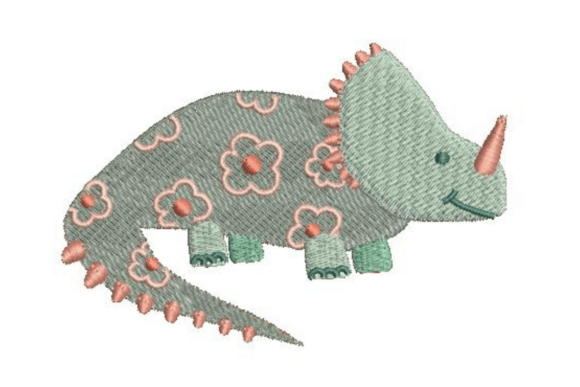
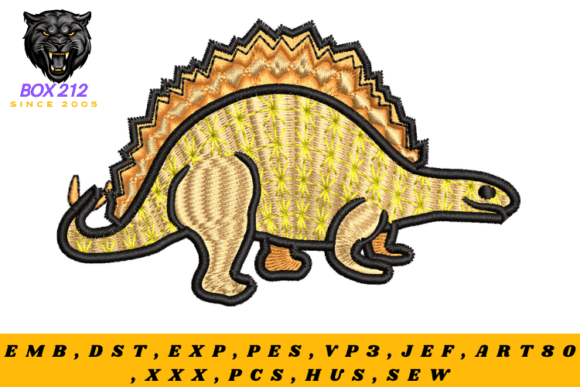
As an embroidery designer who’s developed and tested hundreds of machine embroidery designs for small businesses—from indie bakeries to children’s boutiques—I approached the Dinosaur Embroidery Design with both curiosity and critical intent. The title alone—“Step back in time with the Dinosaur Embroidery Design”—immediately signals approachability and charm. Combined with “playful and detailed pattern” and “charming dinosaur,” this isn’t a cartoonish clip-art motif or a hyper-realistic paleontological study. It lands squarely in the sweet spot: friendly enough for kids’ apparel and handmade product labels, yet refined enough to hold up on staff aprons, boutique tote bags, or custom caps for a creative studio.
Real-World Performance Across Merchandise Types
The Dinosaur Embroidery Design shines brightest where personality meets practicality. For a local café launching a “Dino Brew” kids’ menu, it works beautifully as a 2.5-inch embroidered patch sewn onto canvas aprons—adding warmth without overwhelming the brand’s earthy aesthetic. As cap embroidery on unstructured cotton twill, its clean outlines and balanced proportions avoid distortion on curved fronts. On tote bags made from medium-weight canvas, the design reads clearly at 3–4 inches wide, offering strong visual recognition at arm’s length—ideal for pop-up markets or community events.
For handmade brands selling craft kits or botanical-themed goods, this design serves as a subtle but memorable accent: think corner embroidery on linen gift tags, sleeve detail on organic-cotton work shirts, or a single chest logo on pet bandanas for a dino-loving dog boutique. Its “prehistoric touch” isn’t gimmicky—it feels intentional, nostalgic, and inclusive, making it versatile across age groups and business niches.
Where Caution & Testing Are Essential
Like any well-intentioned embroidery file, the Dinosaur Embroidery Design demands thoughtful application—not just placement, but context. On dark uniforms (e.g., navy chef coats or black florist smocks), thread color contrast becomes non-negotiable. A light yellow or cream thread may vanish; ivory or pale sage offers better visibility while preserving the design’s soft tone. Likewise, high stitch density in fine details—like textured scales or delicate limbs—can cause puckering on lightweight fabrics like rayon blends or thin cotton poplin. Always test on the actual fabric, not just stabilizer-backed muslin.
Small patch sizes (under 1.75 inches) require special attention. While the description calls it “detailed,” intricate outlines may blur or lose definition when shrunk. Cap fronts with tight curvature also challenge legibility—especially if the dinosaur’s tail or head extends beyond a central focal point. And for items that endure frequent washing—think kids’ backpacks or reusable lunch totes—confirm that the digitizing allows for secure underlay and proper thread tension to prevent fraying over time.
Brand Identity Impact: More Than Just Cuteness
Used intentionally, the Dinosaur Embroidery Design strengthens brand identity by signaling authenticity and care. It tells customers: *This isn’t mass-produced. This is thoughtfully stitched, proudly small-batch.* That perception lifts perceived value—whether it’s a $28 hand-stitched tote from an Etsy seller or a branded apron given as a thank-you gift at a children’s pottery studio. Consistent use across multiple touchpoints (caps + tote + packaging tag) builds visual consistency without rigid repetition. Unlike generic script logos, this design invites engagement: parents point it out to toddlers; customers snap photos for social shares; staff wear it with quiet pride.
Crucially, it avoids infantilizing—key for businesses serving families or multi-generational audiences. It’s playful, yes—but never condescending. That balance fosters trust: customers feel the brand understands their world, whether they’re running a pet-friendly bakery or curating nature-based crafts for schools.
Practical Designer Notes Before You Stitch
Before committing to bulk production, run these checks:
- Test in black and white first. Print the digital embroidery file at scale to assess silhouette clarity and negative space—especially important for small business merch where legibility affects instant recognition.
- Verify small-patch viability. Resize the design to your intended minimum (e.g., 1.5" wide for iron-on patches) and inspect edges in embroidery software or via printed mockup.
- Review thread color contrast against your base fabric. Don’t assume “charming” translates across all palettes—swatch real thread on real material.
- Inspect spacing between elements. Tight loops or overlapping limbs may cause nesting issues during commercial embroidery runs.
- Confirm hoop size compatibility. Does the design fit comfortably within standard 4x4 or 5x7 hoops? Oversized files increase setup time and cost.
- Test on final fabric with correct stabilizer. A tear-away may suffice for denim totes, but cut-away is essential for knits or textured linen.
- Create a printable mockup for client approval. Especially vital for Etsy sellers or studios outsourcing embroidery—visual alignment prevents costly rework.
- Compare beside existing design assets. Does the Dinosaur Embroidery Design harmonize with your current logo, typography, or color system—or does it clash tonally?
- Confirm commercial licensing. Since this is intended for small business merch, ensure the digital embroidery file permits resale of finished products—don’t assume “for personal use only” covers your bakery’s branded aprons.
Finally, remember: the strength of any machine embroidery design lies not in its whimsy alone, but in how reliably it translates from screen to stitch to shelf. The Dinosaur Embroidery Design delivers charm with craftsmanship—if you treat it like a strategic brand asset, not just a decorative flourish. For small business owners building recognizable, heartfelt merchandise, it’s not just a prehistoric motif. It’s a stitch toward distinction.